
The recent “shot” heard ’round my world: A diagnosis of LCIS
Forgive me. I know it’s been a minute. Sometimes you can’t write about life because you’re too busy living it. It’s been that kind of month for me. When I did my last post on my Double-Helix DNA Dilemma, I was at the beginning of my newest road trip: the looming threat of Cancer.
I’ve been super-vigilant for the last ten years about my breast health – each year not only getting the recommended mammogram and sonogram but also integrating a third screening every six months – breast MRIs. My insurance company would routinely deny it – deeming it an unnecessary diagnostic test, but my doctor always goes to bat and has ultimately obtained approvals.
This year was eerily different. My gynecologist called me to let me know that, miraculously – the test was approved without incident and without the need for an appeal or a peer-to-peer review. In retrospect, that may have been another one of the universe’s little signs. It was just too easy.
The MRI results came in and it was determined that there was something that needed follow up. Not just close monitoring but something else. Something more invasive – an MRI-guided needle biopsy. If anyone wants to hear details on that, please reach out and I can do another post or we can chat privately.
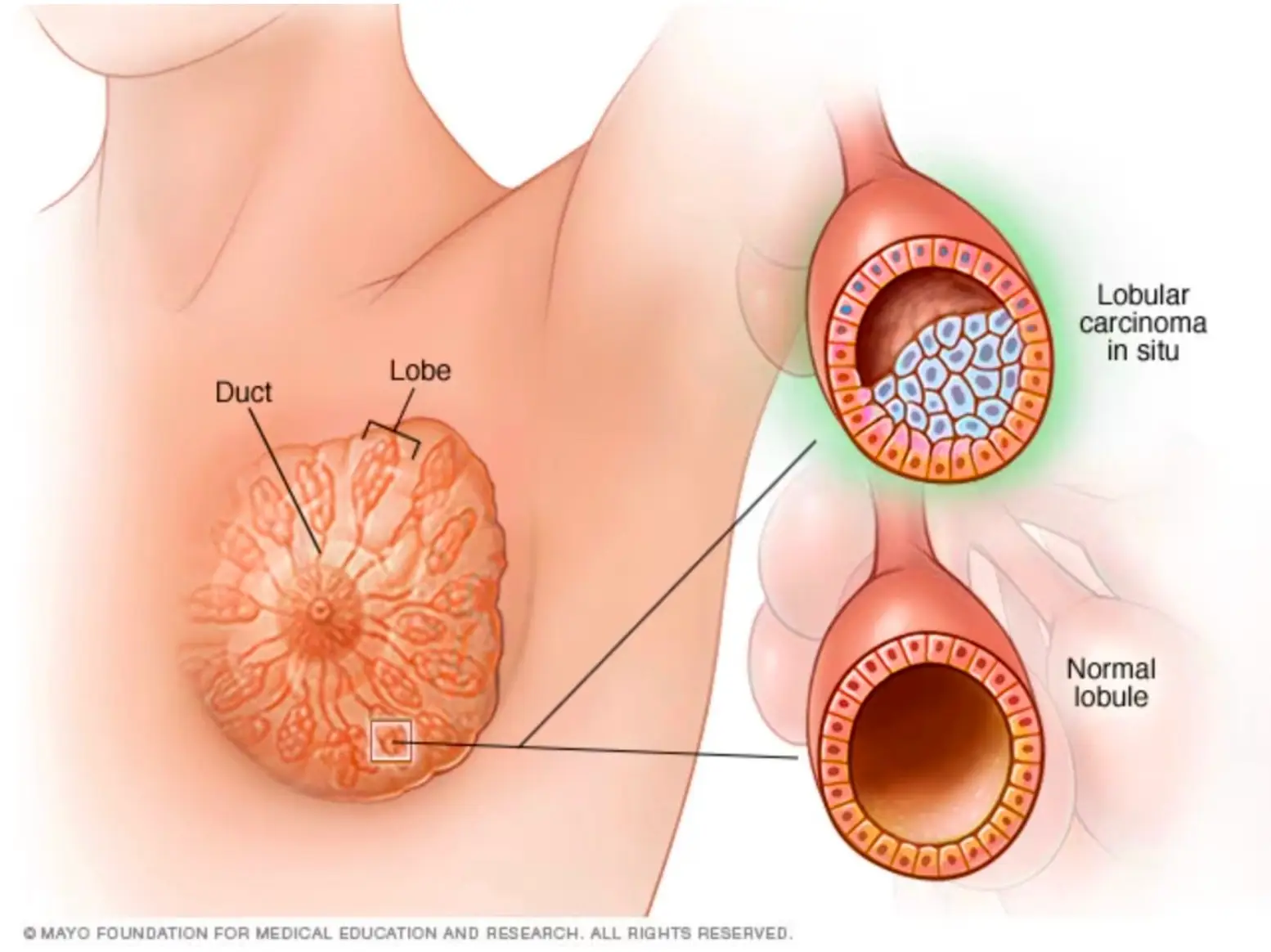
The long and the short of it is that I was diagnosed with LCIS: Lobular Carcinoma In Situ, a noncancerous breast condition where abnormal cells grow in the milk-producing glands of the breast.
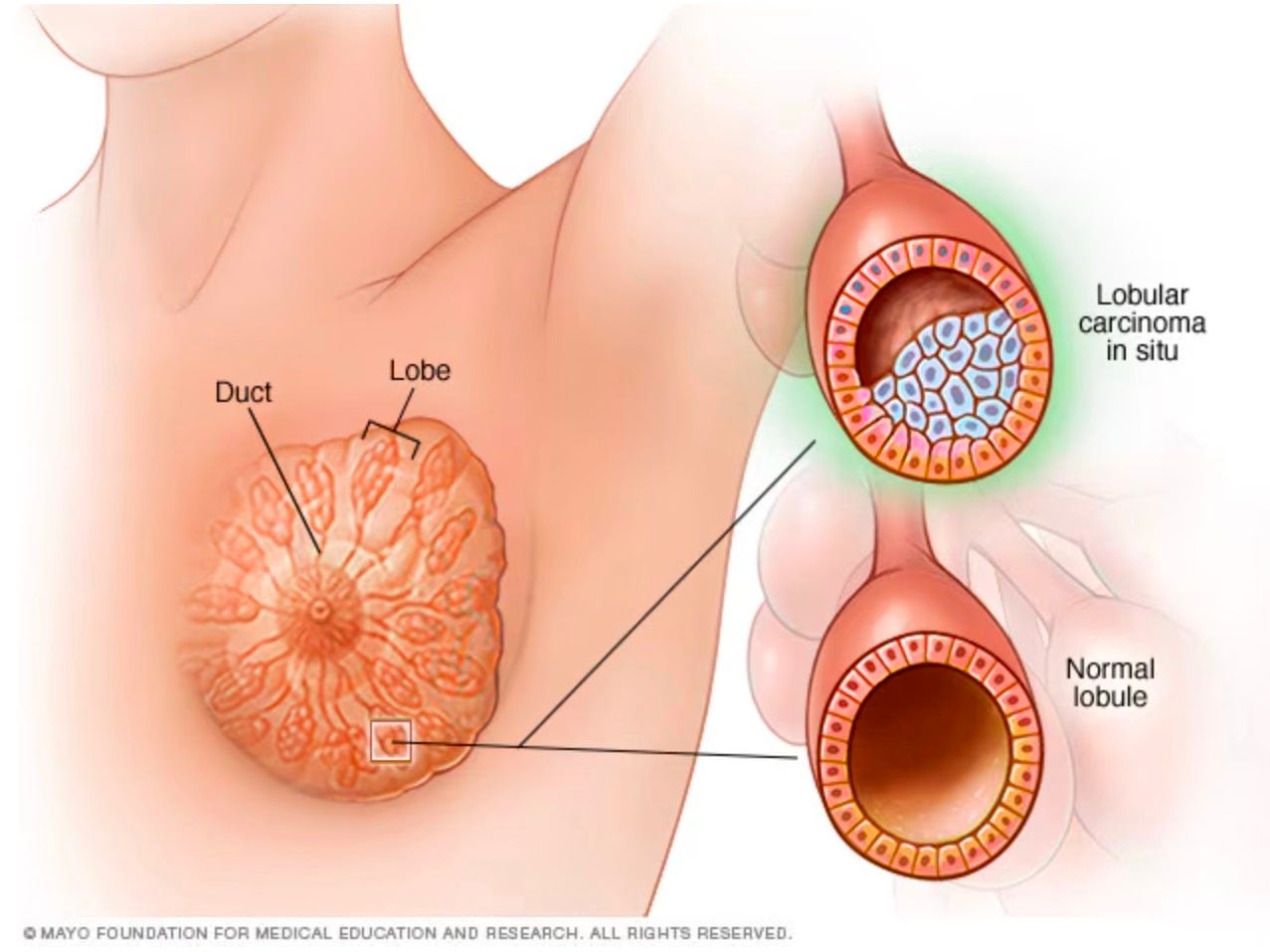
I will be doing a full post on LCIS soon; for now let’s talk about the steps I took once I heard this. I was instructed that I would need to make an appointment immediately with a breast surgeon and genetic counselor.
This post is primarily about my experience with the genetic counselor and the explanation of why it was strongly recommended for me.
Risk Factors and Unknowns certainly contributed to my unique need for genetic counseling and testing. Without giving too much of the memoir (if it ever gets done) away – I can share that half of my medical health history is a mystery to me.
- A commercial DNA test years ago confirmed that my background is almost all Ashkenazie Eastern European. This is a risk factor for breast cancer.
- Not being 100% certain of half of my DNA is a compelling reason for me to pursue genetic testing, especially now that there seems to be a question for my daughter and her future health.
- Should my genetic tests confirm that I have certain mutations, it would increase my risk down the road (though we can never be sure how far or close the threat really is) toward developing either breast, colon or other cancers.
As all of this information was being thrust upon me, I was on auto-pilot. The day that I went to see the genetic counselor was also the day that I was able to go see the breast surgeon (both conveniently located in the same building).
This was a sobering day. It wasn’t until I was sitting in the waiting room for my genetics counseling that I realized I was sitting amongst other possible Cancer patients. In that waiting room, sitting with patients waiting for infusions and other treatments, a palpable wave of fear washed over me for the first time.
I had a seat at the table.
I was one of “them”.
I was petrified.
During my lengthy appointment, I had to provide a lot of information about my family. Some I knew, much I did not. What was the cause of each of my aunt’s deaths? I began texting my siblings and cousins. I had to explain to my counselor that my father’s side of the family was largely a mystery to me, which left a large question mark where knowledge and comfort should have been residing instead.
After this deep dive in to my family tree, my provider went on to explain how genetic testing works. She explained that my LCIS diagnosis got me here, but that my family history and lineage all contributed to the necessity for testing if I wanted to know about possible future further Cancer risks.
Did I want to know? Did I need to know? How much information is too much?
I learned a lot in an hour and I’m still learning. Here’s a primer.
A genetic test involves taking a blood or saliva sample, and analyzing your DNA for gene mutations that can increase your risk of developing cancer (Mayo Clinic).
You can specifically select the set of genes you’d like to know about. Out of a possible 81 genes to test, I elected to test 21, 8 of which are specific to breast cancer.
The genes I tested are listed below and grouped (courtesy of ChatGPT) solely to provide information in language that is easy-to-understand, since we are not all “science” people:
🧬 The 21 Genes (Grouped by Syndrome/Function)
🔥 BRCA-Related Breast & Ovarian Cancer Risk
- BRCA1 – Big player. Mutations = high risk of breast & ovarian cancer.
- BRCA2 – Same as above, plus links to pancreatic, prostate, and melanoma.
🧬 Lynch Syndrome (Uterine, Colon, Ovarian Cancer)
- MLH1
- MSH2
- MSH6
- PMS2
- EPCAM (malformation of this gene can interfere or disrupt the MSH2 gene)
🚨 High-Risk Tumor Suppressor Genes
- TP53 – Guardian of the genome. Mutations cause Li-Fraumeni syndrome (breast, brain, leukemia, adrenal).
- PTEN – Cowden syndrome. Increases risk for breast, uterine, thyroid cancers.
- STK11 – Peutz-Jeghers syndrome. GI polyps + breast, ovarian, pancreatic risk.
- CDH1 – Linked to hereditary diffuse gastric cancer but also lobular breast cancer.
- PALB2 – Partner of BRCA2. Increased risk for breast and possibly ovarian cancer.
🧩 Moderate-Risk Genes
- CHEK2 – Moderate risk for breast, colon, possibly others.
- ATM – DNA repair gene. Breast and pancreatic cancer risks.
- NBN – Part of DNA repair; linked to breast cancer risk.
- RAD51C
- RAD51D
- BRIP1
- BARD1 – Possible breast cancer risk (BRCA1 partner).
- MUTYH – Colon cancer (need mutations on both copies to have high risk).
- FANCC – Rare, but can contribute to breast/ovarian cancer risk.
Thankfully, my tests came back after a 4 week wait – all of the above were negative. Though this is obviously a HUGE relief, I am still sitting here with my LCIS diagnosis.
Next stop: breast surgeon.
If you’ve read this far, thank you. I am still gathering information to help me make some huge decisions and I’d love to hear from you. In fact, I’d consider it a real service to this little community if you would share a portion of your story in support of me and anyone else who may be going through it.
Or, simply give this a like so we can all know we are not alone.